
OCD treatment · Louisville, KY and online
An OCD therapist in Louisville, for when the thoughts won't let go
OCD can make you feel trapped by thoughts you don't want and rituals you can't stop. Exposure and response prevention (ERP) helps you take your life back, one step at a time.
- Usually seen the same week
- You set the pace
You might be here because
- Unwanted thoughts keep coming back, and they scare you.
- You check, wash, count, or repeat things until it feels "just right."
- You mentally review, pray, or seek reassurance over and over.
- You worry you've done something wrong, even when you know you haven't.
- The rituals take up more and more of your day.
- You've researched OCD and thought, "That's it."
OCD isn't about being neat
OCD is a cycle of obsessions (unwanted, distressing thoughts, images, or urges) and compulsions (things you do, or think, to make the distress go away). Compulsions bring relief for a moment, but they teach your brain the thought was dangerous, so it comes back stronger. Some people's compulsions are mostly mental, sometimes called "Pure O." It's common, it has a name, and it can be treated.
The theme isn't the problem. The process is.
OCD can latch onto almost anything: germs, harm, sex, relationships, faith, your body, getting things "just right." Many people search for their exact fear online, can't find it, and decide it must be something other than OCD. It usually isn't. Whatever the content, OCD runs on the same loop: an unwanted thought, a surge of distress, and something you do or think to make it go away. That's why treatment targets the loop, not the theme, and why there's no kind of OCD we don't work with.
When OCD shows up in your faith
For some people, OCD attaches to faith: fear of having sinned, of offending God, or of not believing "enough," with compulsions like repeated confession, prayer, or reassurance seeking. This is sometimes called scrupulosity. Your counselor understands how OCD can show up in faith, and can help you tell the difference between OCD and your convictions.
Faith-based work here never means more reassurance or more rituals. It means learning to rest in grace instead of certainty.
If you'd rather leave faith out, your counselor's care is just as thorough, and they follow your lead. How faith works at Freedom
Exposure and response prevention, at a pace you choose
ERP is the most studied therapy for OCD. With your counselor, you build a list of situations that trigger your OCD, from easiest to hardest. Then, step by step, you practice facing them without doing the compulsion. Over time, your brain learns the thought isn't an emergency, and the urge to ritualize fades.
You're never forced into anything. You and your counselor choose each step together, and acceptance and commitment therapy (ACT) skills help you make room for discomfort along the way. Afraid to start? Read What is ERP therapy?
Your counselor may also use the Brain Lock approach, a four-step way to recognize an OCD thought for what it is, step back from it, and turn your attention to something that matters.
What to do when an obsession hits
Here's the part most people don't expect: compulsions are your mind's way of calming the obsession. They work for a moment, and that's exactly why OCD keeps coming back stronger. So the goal isn't to make the thought go away. It's to let it be there without doing the compulsion, and to keep doing something that matters to you while the discomfort passes. Things that help in the moment:
- Notice and name it. "That's an OCD thought." Labeling it puts a little space between you and it.
- Slow your breathing. Try a physiological sigh (two quick breaths in through the nose, one long breath out) or box breathing (in for 4, hold for 4, out for 4, hold for 4).
- Relax your body. Tense and release one muscle group at a time.
- Change your temperature. Splash cold water on your face, or take a cold shower.
- Change your surroundings. Go for a walk.
Then turn back toward what you were doing, without the ritual. Your counselor will help you practice this until it gets easier.
Signs of OCD in men
OCD in men often looks different, and it often hides. Research finds that in men, OCD:
- tends to start earlier, often in childhood or the teen years;
- more often involves sexual, religious, aggressive, or symmetry obsessions, and rituals done silently in the mind;
- can show up in the body first, such as worries about urination or sexual function that lead to doctor visits before anyone names OCD;
- is often kept secret, because shame and the pressure to be strong and in control make it hard to ask for help.
The encouraging part: treatment works just as well for men as for women. Luke works with boys and men, 8 and up, and an unwanted thought never says anything about your character.
Research: Mathes, Morabito & Schmidt (2019), Current Psychiatry Reports; Torresan et al. (2009), Comprehensive Psychiatry; de Mathis et al. (2011), Revista Brasileira de Psiquiatria; Conti, Fineberg et al. (2023), Trends in Urology & Men's Health; Goodman, Lochner & Stein (2021), Comprehensive Men's Mental Health; Surles (2025), International OCD Foundation.
Your OCD therapists
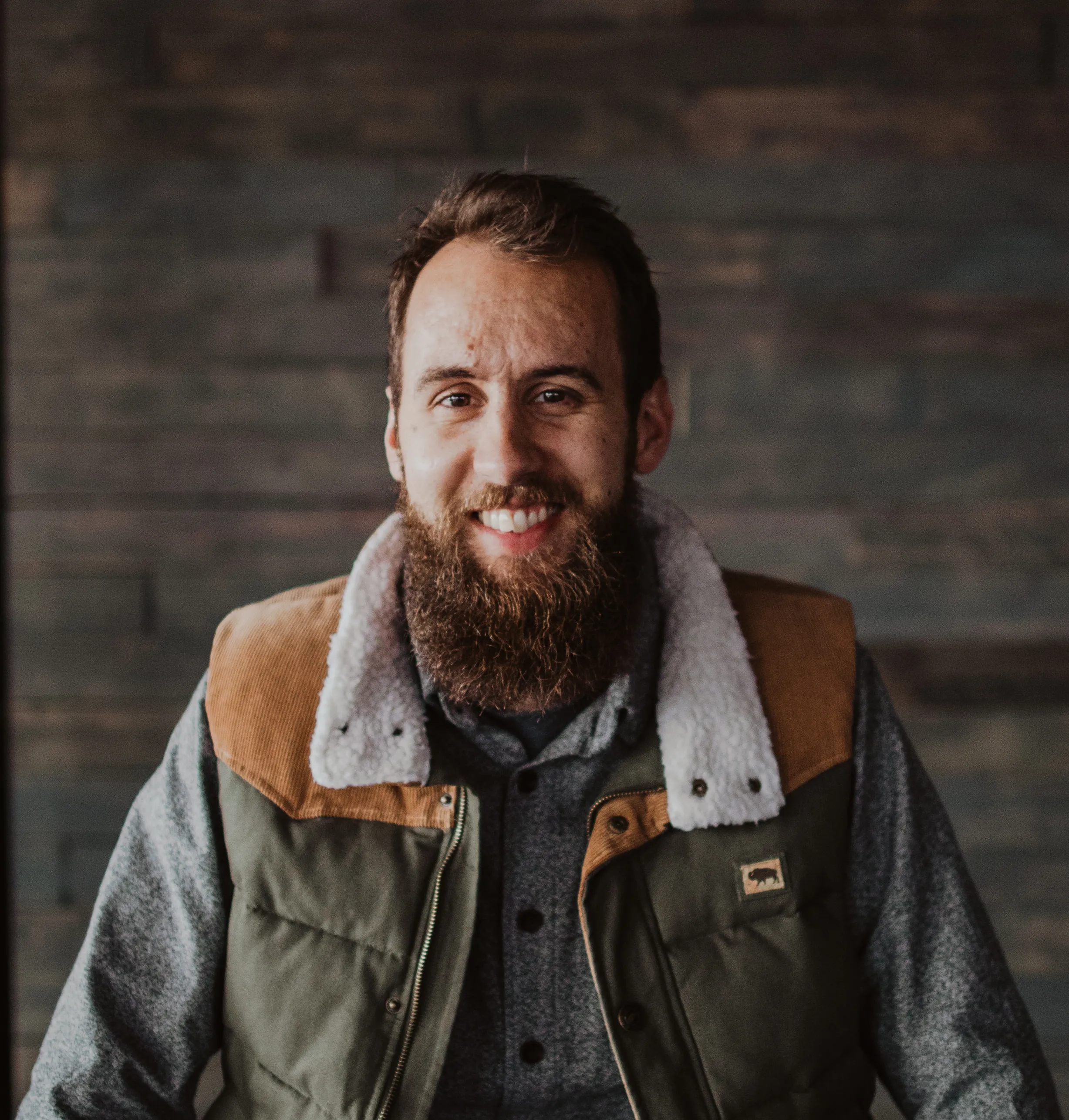
Luke works with boys and men. If you're looking for OCD treatment for a woman or girl, call us and we'll help you find the right fit.
Your first session
Your first session is about understanding your OCD: what the thoughts are, what you do in response, and how it's affecting your life. You won't be asked to face anything before you're ready. Sessions are in our Middletown office or online.
What it costs
$115
per 50-minute session
$115 per session. We don't bill insurance, but you can pay with an HSA or FSA card, and we'll give you a superbill to submit for possible out-of-network reimbursement.
Common questions
What is ERP?
Exposure and response prevention: gradually facing what triggers your OCD without doing the compulsion, so the anxiety and the urges fade over time.
Will I have to do things I'm not ready for?
No. You and your counselor choose each step together, starting where it feels manageable.
Can ERP be done online?
Yes, for clients in Kentucky.
Do you work with kids who have OCD?
Yes, boys age 8 and up, with parents involved in the work. For girls, call us and we'll help you find the right fit.
Is it OCD or just anxiety?
OCD has a specific pattern of obsessions and compulsions. Your first sessions help sort that out.
Can OCD treatment include faith?
Yes, if you want it.
How do you calm down OCD?
Not by trying to make the thought go away, which usually turns into another compulsion. Name it as OCD, calm your body (slow breathing, relaxing your muscles, cold water, a walk), and keep doing something meaningful without the ritual. Over time, the urge loses its pull.
What are common signs of OCD in men?
Earlier onset, more sexual, religious, aggressive, or symmetry obsessions, rituals done in the mind, and a tendency to hide it. See the section above.
What if I can't find my exact fear online?
That's very common. OCD can attach to almost anything, and the theme matters far less than the loop of thought, distress, and compulsion. That loop is what we treat.
What should I look for in an OCD therapist?
Someone who uses exposure and response prevention (ERP), the most studied approach for OCD, rather than general talk therapy alone, and who explains each step and lets you set the pace.
You don't have to keep living by OCD's rules
Request an appointment in about a minute, or call (502) 523-2970. Most people are seen the same week.
Prefer to talk? (502) 523-2970