
Christian counseling · Louisville, KY and online
Christian counseling in Louisville that takes both your faith and your struggle seriously
For many people, faith is part of how they understand what they're going through, and part of what they hope will carry them through it. At Freedom, a biblical worldview, Christian theology, and the best clinical practice work together, always at your pace.



- Usually seen the same week
- In person in Middletown or online
You might be here because
- You want a counselor who won't treat your faith as part of the problem.
- You also want real, clinical help, not just encouragement.
- Your faith feels shaken by what you're going through.
- You're carrying questions about God, suffering, or where He was.
- You and your spouse want counseling that honors your shared faith.
- You've been hurt by church, and you're not sure what you believe now.
Faith and good clinical care, together
Some people worry they'll have to choose: a counselor who shares their faith, or one with real clinical training. At Freedom you don't have to. Our counselors are trained in approaches with strong research behind them, and faith is central to how we work.
That isn't the same as pastoral counseling. It's clinical counseling, with Scripture, prayer, and spiritual reflection woven in when you want them.
Christian counseling or biblical counseling?
Both take Scripture seriously, and both want to help you grow in Christ. They work differently.
Biblical counseling is Scripture-led. It rests on the conviction that the Bible is sufficient for understanding and addressing the struggles of life, so counselors draw on Scripture, prayer, and biblical teaching rather than psychological methods. It's offered through many churches, often at no cost, and by trained, certified biblical counselors in private practice, who usually charge for sessions.
Christian counseling at Freedom is clinical counseling with faith at the center. Our counselors are state-licensed (or supervised by a licensed clinician), trained in therapies with strong research behind them, like cognitive behavioral therapy and EMDR, and accountable to a licensing board and a professional code of ethics. We hold Scripture as our highest authority, and we believe God's truth also shows up in what careful research teaches about how people heal. When you want it, your counselor brings prayer, Scripture, and conversations about God directly into your sessions. When you don't, faith still shapes how they care for you, without being pressed on you.
Which fits you? If you want counseling drawn from Scripture alone, a biblical counselor at your church or in private practice may be the right fit, and we're glad to help you find one. If you're facing something like trauma, OCD, depression, panic, or a marriage in crisis, and you want research-based treatment with your faith woven in, that's what we do.
Never forced
Faith is never a requirement here, and never pushed. You decide how much of your faith and worldview you want to bring in, and you can change your mind at any point. Some people start with a clinical focus and add faith later. Others start with more and dial it back. Your counselor follows your lead.
Doubt, anger at God, and hard questions are welcome. You won't be judged or rushed toward easy answers.
Christians from every tradition are welcome here: Protestant, Catholic, Orthodox, nondenominational, and anyone still figuring out where they belong. Pastors and ministry leaders, see counseling for pastors.
Counselors who integrate faith and clinical care
- Tony Gore LCSW, Owner and Director Couples, families, teens, and men. $165 per session
- Luke Burgett LPCA, ACT-trained Boys and men, age 8 and up, working through anxiety, depression, and OCD. $115 per session
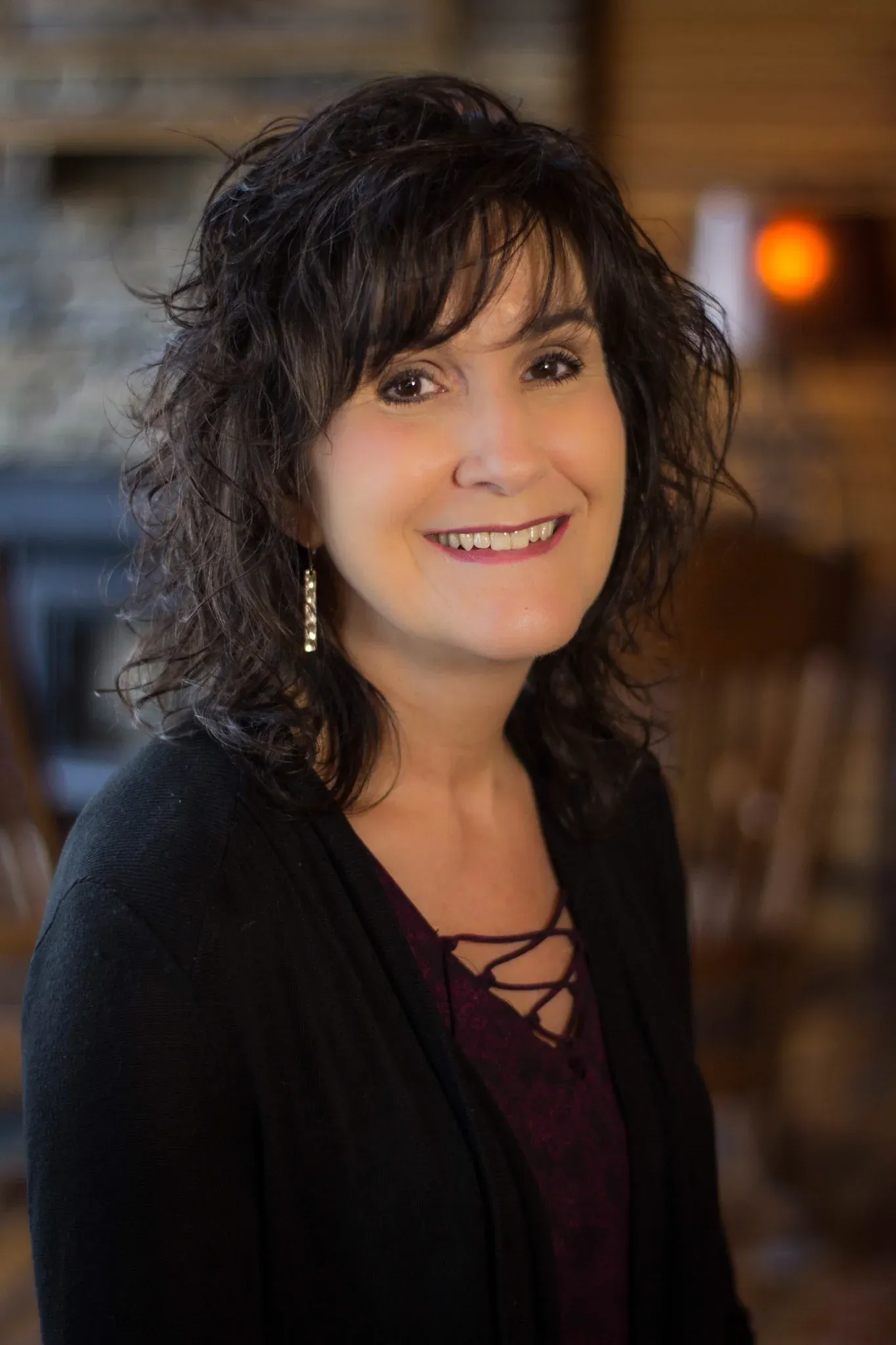
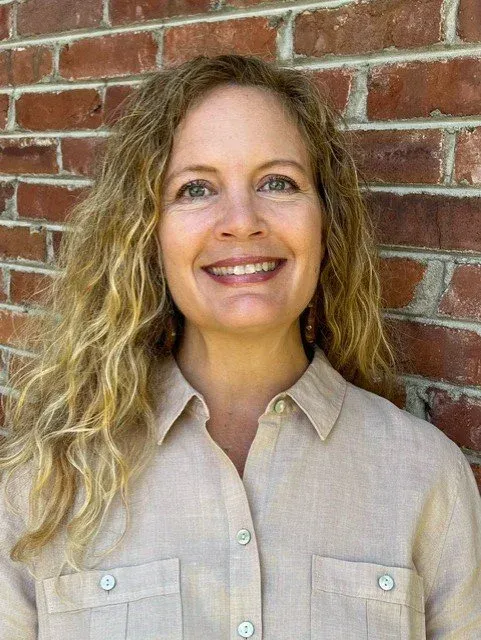
- Rhonda Gore Marriage and Family Therapy Life Coach Women and older teens working through shame, anxiety, identity, and faith. $110 per session
- Staci Harrub LPCA, EMDR-trained Young adults and adults working through trauma, grief, and anxiety. EMDR-trained. $100 per session
- Sophie Bowman Student Counselor, supervised by Tony Gore, LCSW Children, teens, and young adults. $50 per session
Your first session
Your first session is a conversation about what brought you in, what you'd like to be different, and how much you'd like faith to be part of your counseling. There's no wrong answer. Sessions are in our Middletown office or online.
What it costs
$50 to $165
per 50-minute session
We don't bill insurance, but you can pay with an HSA or FSA card, and we'll give you a superbill to submit for possible out-of-network reimbursement.
Common questions
Do I have to be a Christian to see a counselor here?
No. People come from every background: lifelong faith, a return to it, distance from it, or curiosity. The clinical care is the same either way.
Will you use Scripture or prayer in sessions?
Only if you want to. You can change that at any point.
Is Christian counseling the same as biblical counseling?
No, though they share a lot. Biblical counseling is Scripture-led and doesn't use psychological methods; it's offered in churches and by certified biblical counselors in private practice. Freedom offers clinical counseling by licensed counselors, using research-based therapy with your faith integrated when you want it.
Can I bring up doubts or anger at God?
Yes. Those are a normal part of faith being tested by hard things, and you won't be judged for them.
What if my spouse and I see faith differently?
That's common. Your counselor can help you hold different comfort levels within the same relationship.
Can I start with a clinical focus and add faith later?
Yes. Many people do.
Do I have to be a certain kind of Christian?
No. Christians from every tradition are welcome, and so are people with questions or no faith at all.
Bring your whole self
Request an appointment in about a minute, or call (502) 523-2970. Most people are seen the same week.
Prefer to talk? (502) 523-2970