
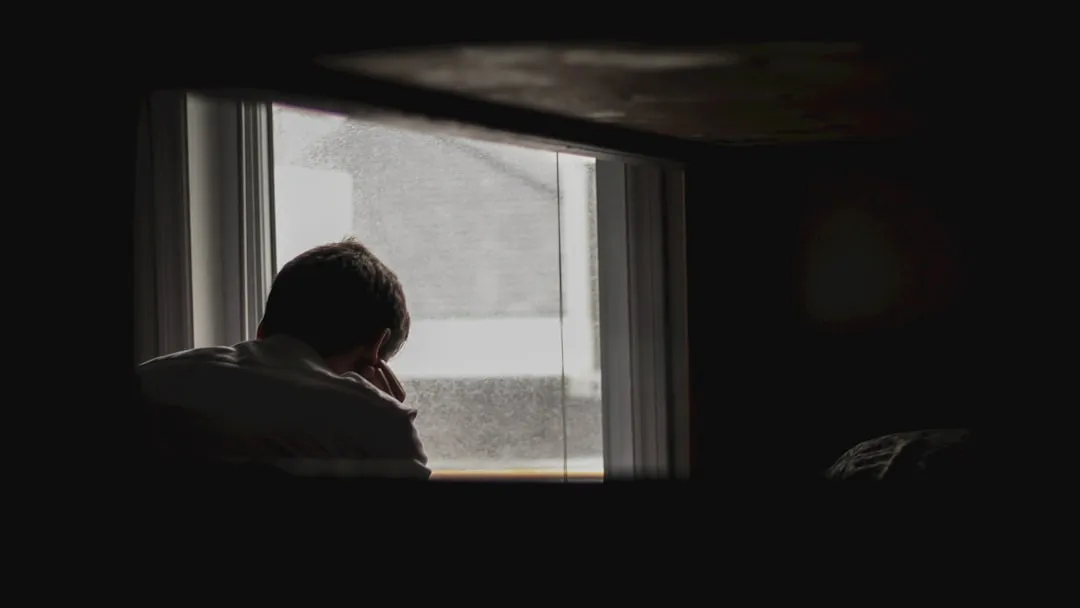
Grief is supposed to feel like something. That's often the assumption. So when someone experiences a significant loss and mostly feels... nothing, it can be confusing, even alarming. Am I in denial? Is something wrong with me?
Numbness after loss is common, no matter how much you loved or cared about what you lost. It's frequently the mind's way of pacing the pain: taking in only as much as feels survivable at a time instead of all of it at once.
Why numbness shows up
When a loss is sudden, complicated, or layered on top of other stress, the nervous system sometimes responds by going quiet rather than loud. It works more like a circuit breaker than conscious avoidance, protecting you from being overwhelmed before you're ready.
For some people, the feeling arrives later — weeks or months after everyone else has stopped checking in, which can make it feel even more isolating, since by then it can seem like you're supposed to already be past it.
There's no correct order for grief to unfold in. If numbness has settled in and isn't lifting, or if it's making it hard to function, that's worth bringing to a counselor, since you don't have to sort out something this heavy on your own timeline, alone.