
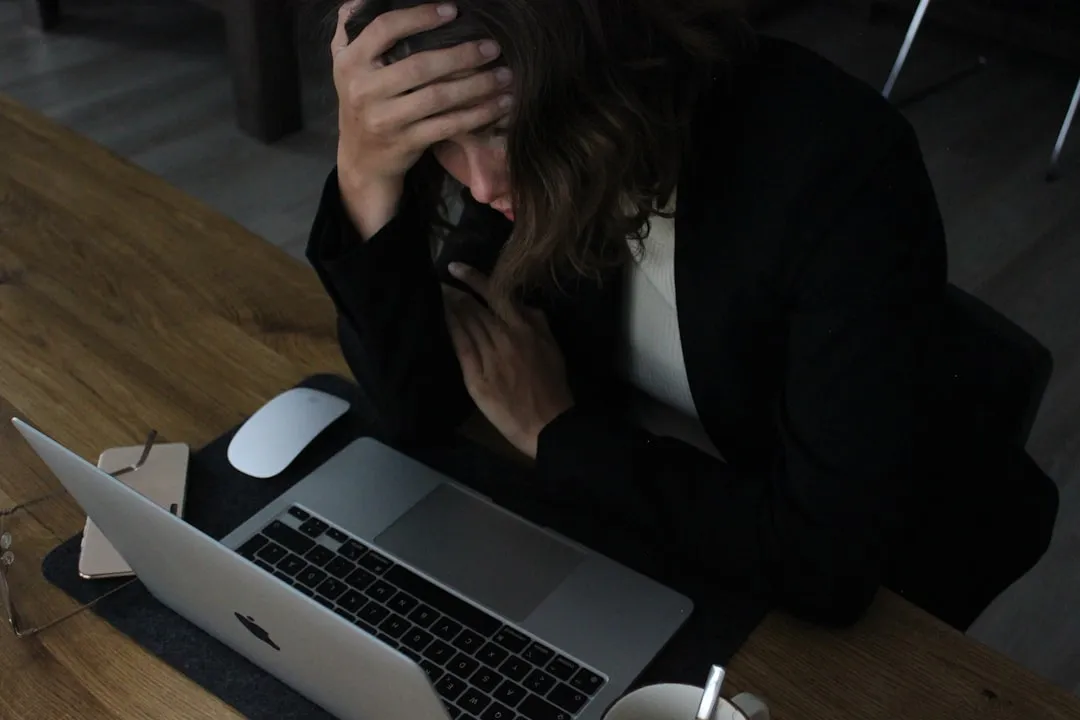
Anxiety doesn't clock out. For a lot of people, it shows up first thing in the morning and doesn't fully quiet down until sleep — if it lets up even then. It can start to feel less like a feeling and more like a job you never applied for.
Why it feels so relentless
Anxiety often runs on a loop: a worried thought leads to a physical sensation (racing heart, tight chest), which the brain interprets as proof something is wrong, which produces more worried thoughts. The body and the mind end up convincing each other the threat is real, even when it isn't.
This is exhausting in a very literal, physical sense: chronic anxiety keeps your body in a low-grade state of alert, which drains energy even on days nothing "happened."
What actually helps
Anxiety responds well to a combination of understanding the pattern (so it stops feeling random) and building concrete tools (grounding techniques, thought work, and sometimes EMDR if the anxiety is rooted in something specific) that interrupt the loop instead of just managing symptoms after the fact.
You don't have to have a diagnosis or a clear cause to start. Most people who come in for anxiety counseling just know one thing for certain: they're tired of carrying it alone, and they're ready for it to take up less space.